
Building the Future of Housing in the US Virgin Islands

September 18, 2026

Share this article:

IBTS supports regional collaboration on affordable resilient and code complaint housing

Access to safe, affordable, and resilient housing remains one of the most pressing challenges facing communities across the U.S. Virgin Islands. Addressing that challenge requires more than new construction. It calls for coordination among residents, government leaders, regulatory agencies, housing professionals, and community partners committed to developing solutions that respond to the territory’s needs.

In August 2026, the Institute for Building Technology and Safety participated in the USVI Innovative Housing Construction Summit, an event sponsored by Senator Marvin Blyden to provide residents with information, resources, and innovative approaches to affordable housing.

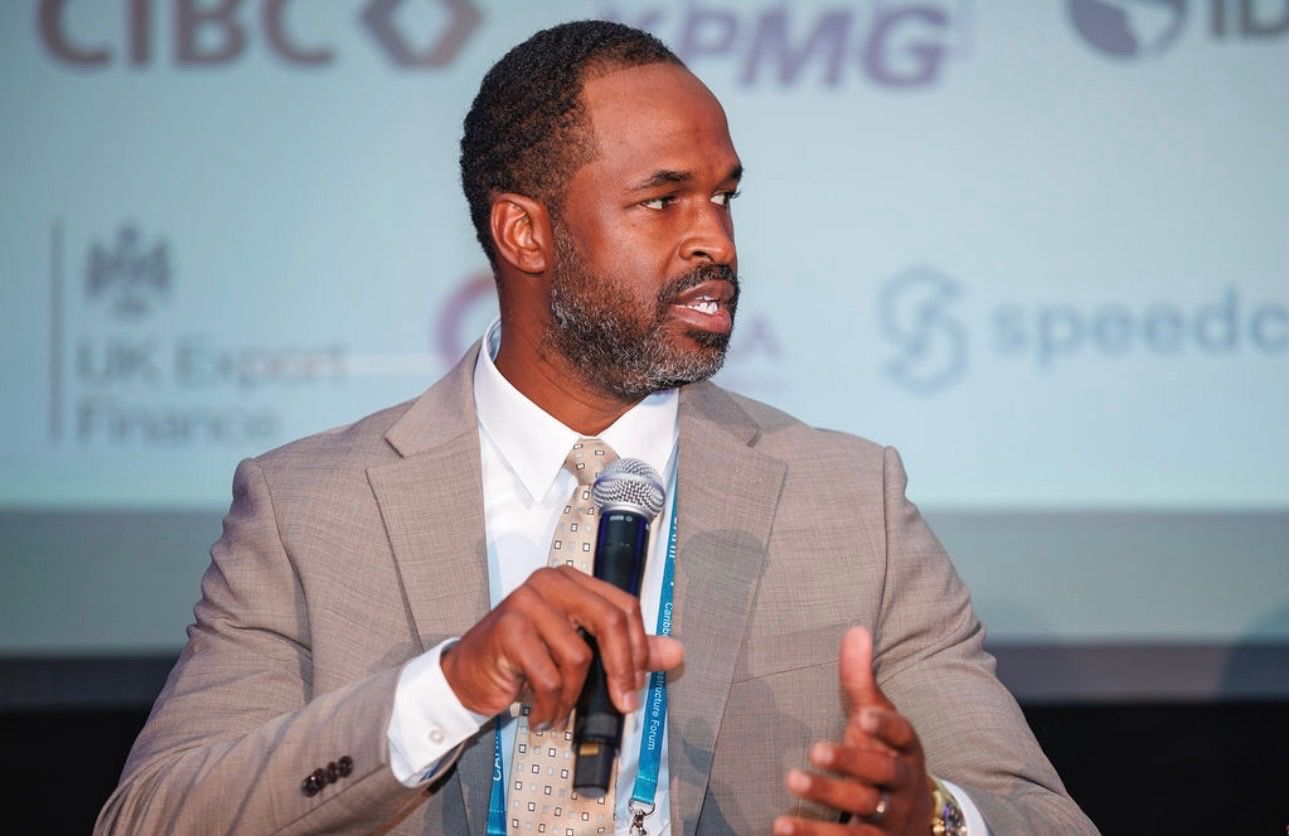
IBTS supported the summit’s programming and joined representatives from the U.S. Virgin Islands Department of Planning and Natural Resources, or DPNR, in a panel discussion focused on housing safety, resilient construction, and code compliance. The IBTS delegation included Michael Galante, Agnes Crespo, Paul Hancher, and Judelly Hernandez.


Balancing affordability and resilience

Housing affordability is a complex issue in island communities, where construction costs, limited land, supply chain constraints, climate risks, and regulatory requirements can affect the development and availability of homes.

The summit highlighted the work underway among government agencies, elected officials, and community stakeholders to reduce the affordability gap while maintaining the safety and structural resilience that residents need.

For the U.S. Virgin Islands, affordability and resilience cannot be treated as separate priorities. Homes must be financially accessible, but they must also be designed and constructed to withstand the environmental conditions and natural hazards that affect the region. Building codes, inspections, qualified personnel, and effective regulatory processes are essential to achieving both objectives.

The event provided residents with an opportunity to learn more about innovative housing approaches while engaging directly with the agencies and leaders working to strengthen the territory’s housing environment.


Strengthening local capacity

As housing initiatives expand across the U.S. Virgin Islands, the territory will need the technical and administrative capacity to manage a growing volume of projects while safeguarding construction quality and regulatory compliance.

Discussions during the summit underscored the importance of residential inspections and the need to build a strong pipeline of qualified inspectors throughout the islands. Expanding local capacity can help agencies respond efficiently to new development, maintain consistent safety standards, and support the long-term sustainability of the territory’s housing investments.

IBTS brings experience in building code services, plan review, inspections, regulatory compliance, program management, workforce development, and resilience planning. Through collaboration with territorial agencies and community partners, these capabilities can support housing programs from early planning and design through construction, inspection, and long-term performance.


Collaboration centered on community needs

IBTS participated in the summit as a nonprofit partner focused on strengthening communities and supporting public-sector capacity. This approach reflects the organization’s commitment to listening to residents,

understanding local conditions, and working alongside government agencies and community leaders to develop practical solutions.

During the event, the IBTS team engaged with Senator Blyden, Senator Angel Bolques, DPNR Commissioner JP Oriol, DPNR Director Amanda Jackson-Acosta, and other territorial stakeholders. These conversations created opportunities to explore how technical expertise, regulatory support, workforce development, and community engagement can contribute to future housing initiatives.

The summit also reinforced the value of bringing residents into the conversation. Housing strategies are more effective when they reflect the lived experiences, priorities, and concerns of the people they are intended to serve.


Looking ahead

The USVI Innovative Housing Construction Summit demonstrated the importance of sustained collaboration in addressing the territory’s housing needs. Continued engagement among residents, elected officials, regulatory agencies, nonprofit organizations, and private-sector professionals will be vital to moving innovative housing concepts from discussion to implementation.

IBTS looks forward to maintaining its relationships with leaders and agencies across the U.S. Virgin Islands and supporting future efforts to strengthen residential inspections, expand local technical capacity, and advance safe, affordable, and resilient housing.

By combining community knowledge with technical expertise and effective public-sector partnerships, the U.S. Virgin Islands can create housing solutions that meet today’s needs while preparing communities for the challenges of the future.
July 21, 2026
The Institute for Building Technology and Safety has completed energy-efficiency, health and safety improvements in 103 Puerto Rico homes through a federally financed weatherization program, exceeding its goal of 100 households in about six weeks. The nonprofit organization, known as IBTS, managed operations and coordinated the latest phase of the U.S. Department of Energy’s Weatherization Assistance Program in collaboration with the Puerto Rico Department of Economic Development and Commerce’s Energy Public Policy Program. Weatherization programs are intended to reduce household energy costs by making homes more efficient while addressing conditions that can affect residents’ health and safety. The Puerto Rico initiative prioritized low-income families, older adults and people with disabilities, according to IBTS. The organization did not specify the individual improvements made in each home but said the work was intended to increase comfort, improve living conditions and strengthen resilience. IBTS handled project management, inspections, quality assurance, regulatory compliance, document control and staff training, the organization said. The project also reported a 98% satisfaction rate among participants. “This program demonstrates what is possible when federal resources are translated into practical, measurable improvements for families and communities,” said Agnes Crespo-Quintana, IBTS’s Caribbean regional director. Alvin Miranda-Colón, manager of the Weatherization Assistance Program, said the initiative was intended to make energy more affordable while supporting sustainability and community resilience. IBTS said the project required coordination among government officials, contractors, auditors, inspectors, technology providers and participating communities. The organization said that work also developed procedures, trained personnel and expanded institutional capacity that could be used in future federally financed energy, housing and infrastructure programs. Judelly Hernández-Morales, the IBTS project manager, said cooperation between the public and private sectors helped translate federal funding into improvements for participating households.
March 6, 2026
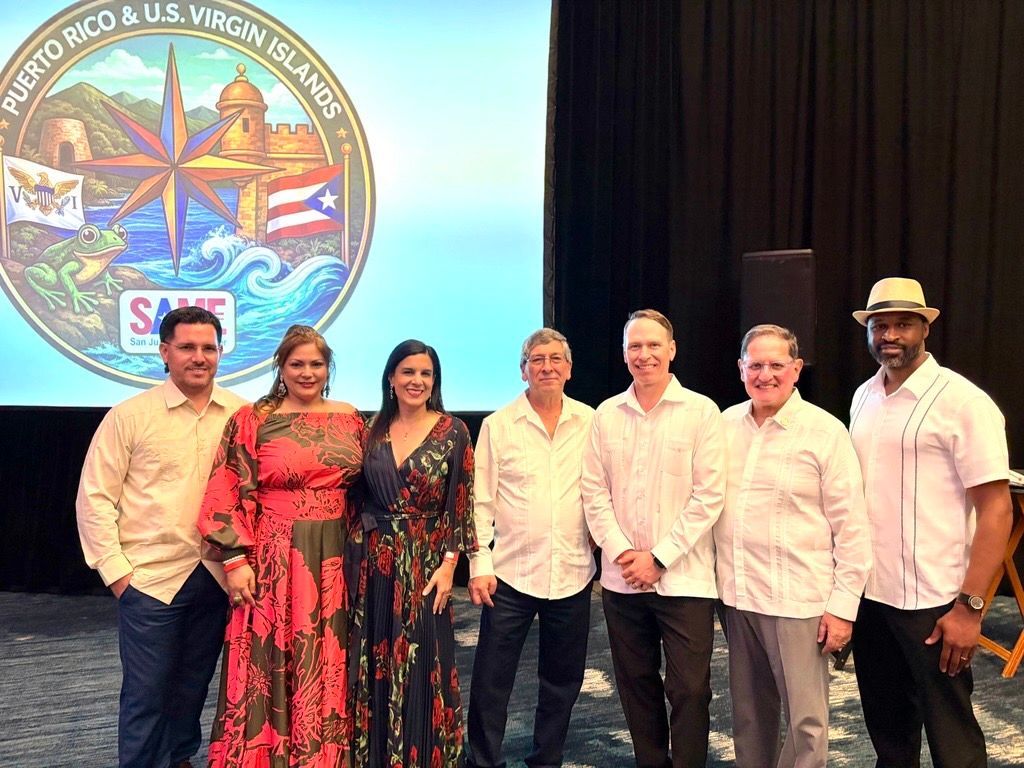
San Juan, Puerto Rico - March 6, 2026 ---The Institute for Building Technology and Safety (IBTS) shared insights from its extensive work supporting disaster recovery and infrastructure resilience in Puerto Rico and the U.S. Virgin Islands during the 2026 Society of American Military Engineers (SAME) San Juan Field Chapter Industry Day 2026, held March 3–5.  Hosted by SAME at El Conquistador Hotel in Fajardo, the multi-day conference convened federal agencies, government leaders, engineering and construction professionals, and private sector partners to discuss regional infrastructure priorities and collaboration opportunities across Puerto Rico, the U.S. Virgin Islands, and the broader Caribbean. During the panel “Resiliency for the Future,” Agnes Crespo Quintana, Esq., IBTS’s Director of the Puerto Rico Region, shared field-based perspectives on the long road to recovery following the devastation caused by Hurricane Maria in 2017. Drawing from nearly a decade of on-the-ground implementation experience, Crespo Quintana emphasized the importance of community-driven recovery strategies that prioritize local engagement, transparency, and long-term resilience. “Recovery and resilience cannot be designed from afar”, said Crespo Quintana, adding that “they must be built alongside the communities who lived through the disaster and understand its realities. At IBTS, we believe that the most effective solutions begin with listening — ensuring community voices guide strategy while technical expertise translates those needs into practical, scalable solutions that strengthen resilience for generations”. IBTS is a nonprofit organization with more than 50 years of technical, engineering, and professional services experience supporting federal, state, and local governments, as well as private-sector partners. Its expertise includes program and project management; quality assurance and quality control (QA/QC); engineering review and technical oversight; inspection and monitoring; regulatory support; community engagement and stakeholder coordination. Across the Caribbean, IBTS has supported efforts to strengthen infrastructure, reduce risk, and advance energy independence and grid reliability, including initiatives related to distributed energy systems, microgrids, and other strategies that enhance long-term power security and dependable service. A hallmark of IBTS’ work in the region has been its community-centric, “bottom-up” approach , which integrates risk assessment, stakeholder mapping, and local engagement to ensure recovery strategies reflect the priorities of the communities they serve. This approach strengthens transparency, accountability, and compliance across federally funded recovery programs while fostering trust between institutions and residents. That approach is reflected in IBTS’s work supporting resilience, recovery, and mitigation planning through HUD and FEMA-funded programs, along with related workforce development and program implementation efforts carried out in partnership with public-sector entities. “Preparation must become part of our culture,” she noted. “In the Caribbean, where natural disasters are an ongoing reality, resilience cannot be optional. It must be embedded into our systems, our infrastructure, and our people. By equipping local communities with knowledge, tools, and opportunity, we ensure recovery efforts lead not just to rebuilding, but to lasting stability and prosperity”. During the panel, Crespo Quintana also underscored that investments in workforce training and local capacity-building are essential to sustaining these long-term resilience strategies. The SAME Industry Day conference featured exhibits, technical training sessions, networking events, and panels focused on doing business in Puerto Rico and the Virgin Islands, including sessions on small business engagement, mentor-protégé partnerships, and infrastructure development across the region, with key panelists from the Government of Puerto Rico, and the U.S. Virgin Islands, among others. About IBTS: With a mission to strengthen communities, IBTS serves as a trusted advisor and partner to local, state, and federal governments in advancing economic development. Its services ensure the effective planning, implementation, and evaluation of renewable energy projects and federally funded energy and sustainability programs—optimizing performance, reducing risk, and promoting the efficient use of public funds. Beyond its expertise in solar quality assurance, IBTS’s Puerto Rico office provides services in federal fund management; disaster planning, mitigation, and recovery; municipal planning; and resilience strategies. As a nonprofit organization, IBTS is guided by a Board of Directors with representatives from the Council of State Governments (CSG), International City/County Management Association (ICMA), National Association of Counties (NACo), National Governors Association (NGA), and the National League of Cities (NLC). For more information, visit www.ibts.org .
January 29, 2026
Fajardo, Puerto Rico – January 27, 2026 ---With the goal of strengthening the local economic development ecosystem in Puerto Rico’s eastern region, the Institute for Building Technology and Safety (IBTS) hosted “Sembrando Oportunidades: Regional Economic Development Forum,” an initiative designed to identify strategic assets, promote cross-sector collaboration, and expand access to support tools for entrepreneurs, microbusinesses, and small and medium-sized enterprises (SMEs). The event, held at the Fajardo Multi-Purpose Center, was open to community organizations, nonprofits, government agencies, cooperatives, private-sector businesses, and the general public. Participants engaged in dialogue, networking, and collaborative action aimed at advancing a more inclusive and sustainable economic development model for eastern Puerto Rico. This initiative is part of a grant awarded to IBTS through the U.S. Department of Agriculture (USDA) Rural Development Program , which supports regional planning efforts, the strengthening of intersectoral support networks, and local economic development in rural communities. As part of its mission, IBTS works closely with communities and grassroots organizations to build skills that foster local entrepreneurship. The organization helps participants better understand the requirements of business projects and SMEs, including key tools such as strategic planning, business plan development, and networking. IBTS also supports municipalities in promoting ordinances and public policies that facilitate entrepreneurship and respond to local economic realities. In particular, IBTS has focused its efforts on the eastern region, impacting municipalities such as Ceiba, Naguabo, and Fajardo. “At IBTS, we believe sustainable economic development begins when people are connected to useful information, practical tools, and real support networks”, said Agnes Crespo, Esq., Executive Director of IBTS Puerto Rico . “Sembrando Oportunidades aims to be a turning point so more entrepreneurs and SMEs can grow with direction, structure, and access to concrete opportunities. This forum is an invitation to align capacities, join efforts, and build community-driven solutions that directly impact quality of life and economic resilience in our eastern region”, she added. Event agenda highlights included: · Presentation of key socioeconomic and business ecosystem data relevant to the region. · A participatory data validation exercise integrating collected data with local knowledge and lived experience. · A roundtable discussion with eastern-region businesses and entrepreneurs, highlighting challenges, lessons learned, opportunities, and best practices. · An open forum focused on collaborative strategies and actions for regional economic development. The event, is a collaborative effort with the Municipality of Fajardo to further strengthen regional economic development efforts to generate entrepreneurship-driven ideas, share findings from the survey conducted with local entrepreneurs, and propose practical solutions for business owners. In anticipation of a newly announced hotel development in the Fajardo area, the program also aims to train and strengthen a network of local suppliers by connecting eastern-region entrepreneurs and SMEs with opportunities to provide goods and services. This approach seeks to amplify the regional economic impact of growth and ensure broader participation in new economic opportunities. In addition to its experience managing federal disaster recovery funds and implementing renewable energy initiatives, IBTS has incorporated a renewed focus in its 2026 agenda on supporting communities and municipal governments to foster microenterprise and SME development as key drivers of regional economic growth. Participating organizations that provided guidance, resources, and presentations included: · Consorcio del Noreste · SBDTC Eastern Region · PECES · Vieques Air Link · Cooperativa Roosevelt Roads · Pathstone About IBTS: With a mission to strengthen communities, IBTS serves as a trusted advisor and partner to local, state, and federal governments in advancing economic development. Its services ensure the effective planning, implementation, and evaluation of renewable energy projects and federally funded energy and sustainability programs—optimizing performance, reducing risk, and promoting the efficient use of public funds. Beyond its expertise in solar quality assurance, IBTS’s Puerto Rico office provides services in federal fund management; disaster planning, mitigation, and recovery; municipal planning; and resilience strategies. As a nonprofit organization, IBTS is guided by a Board of Directors with representatives from the Council of State Governments (CSG) , International City/County Management Association (ICMA) , National Association of Counties (NACo) , National Governors Association (NGA) , and the National League of Cities (NLC) . For more information, visit www.ibts.org .