IBTS Joins Caribbean Energy Leaders to Discuss the Future of Distributed Power
Share this article:
Agnes Crespo-Quintana moderated a CREF 2026 panel on virtual power plants, distributed energy resources, and resilience across island power systems
The growth of distributed solar and battery storage is transforming how Caribbean communities generate, manage, and use electricity. Installing more systems, however, represents only one part of the energy transition. The next challenge is ensuring that these resources are reliable, coordinated, and capable of delivering value to customers, utilities, and communities.
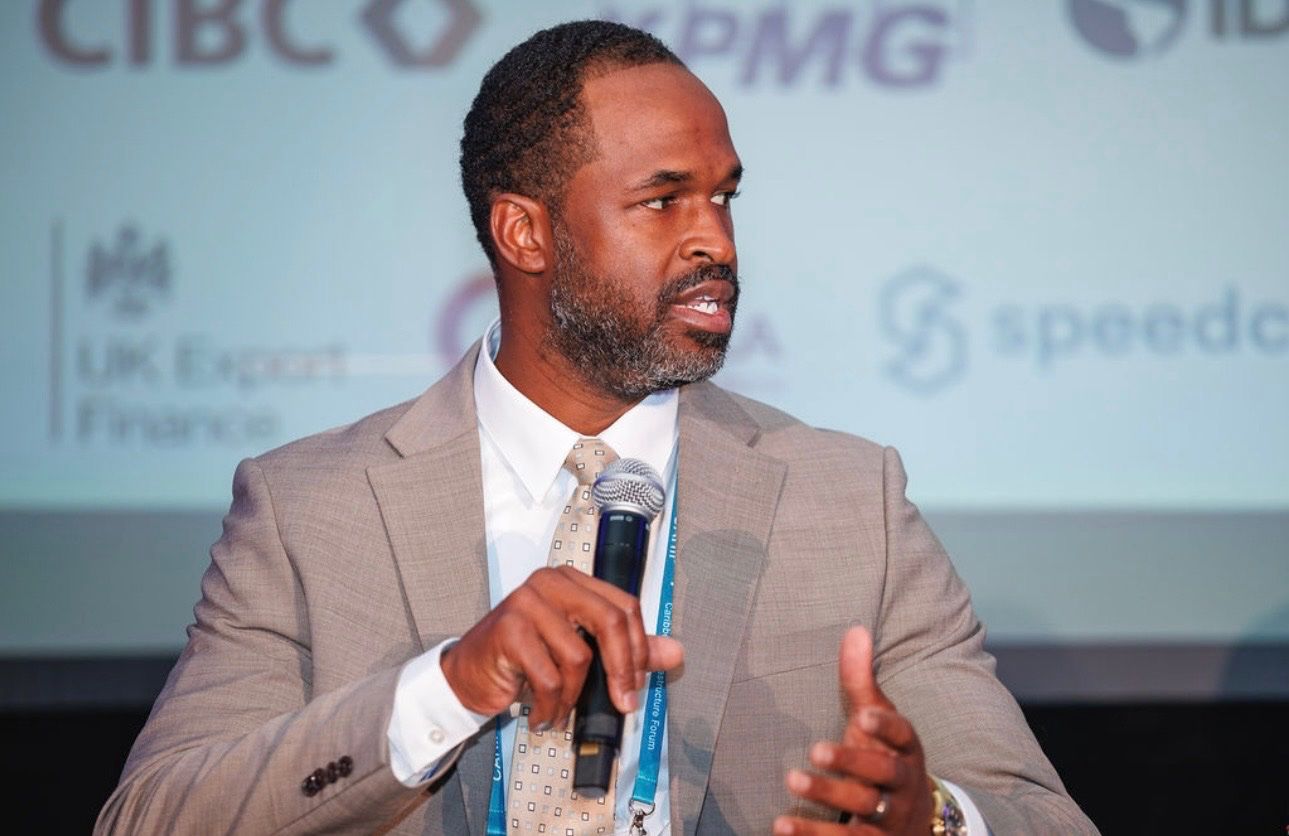
This challenge was at the center of “Orchestrating the Distributed Grid: VPPs, DERMS & the Future of Caribbean Power Systems,” a panel held during the 18th Caribbean Renewable Energy Forum, CREF 2026, in Panama City.
The conversation was moderated by Agnes Crespo-Quintana, Director of the Caribbean Region at the Institute for Building Technology and Safety (IBTS), and featured Kyle Fleming, Director of the Virgin Islands Energy Office, and Ian Welch-Phillips, Manager of the Global Islands Program at Rocky Mountain Institute.
The panel explored how virtual power plants, or VPPs, and distributed energy resource management systems, known as DERMS, can integrate individual assets—including solar panels, batteries, and other energy technologies—and transform them into coordinated resources that support broader grid needs.
Moving from deployment to coordination
As distributed solar penetration increases throughout the Caribbean, regional power systems must make important decisions about energy storage, coordinated customer resources, utility visibility and control, and the tariff or market structures needed to reward flexibility.
The value of distributed energy does not depend solely on how many systems are installed. It also depends on whether those systems can be coordinated, monitored, and strategically deployed when the grid needs additional support.
Virtual power plants can aggregate multiple distributed energy resources and manage them as a coordinated source of power. This model could allow residential and commercial solar and battery systems to help manage electricity demand, improve grid stability, and support recovery during outages or emergencies.
Achieving that level of integration, however, requires clear rules, reliable digital infrastructure, technical standards, compensation mechanisms, and trust among customers, regulators, utilities, and program operators.
Resilience as a Caribbean priority
For island power systems, distributed energy cannot be discussed separately from resilience.
One of the central questions examined during the panel was whether virtual power plants should be designed primarily for grid optimization, customer resilience, or both.
During an emergency, a residential battery may be needed to power medical equipment, refrigeration, communications, or other essential services. Any program that allows a utility or program operator to access some of that stored energy must clearly establish how much capacity will remain reserved for the customer and how their ability to respond to an emergency will be protected.
Programs must also determine how customers will be compensated for maintaining backup energy, reducing their demand, or allowing their systems to support the grid during critical periods. Potential participation incentives include direct payments, lower electric rates, financial incentives, guaranteed backup reserves, and confidence in the utility or program operator managing the resource.
Customers must be part of the solution
Customer participation will be essential to the success of any distributed-energy program.
Beyond providing financial benefits, these programs must establish trust, protect customer autonomy, and clearly explain how privately owned equipment will be used, what information will be collected, and what customers will receive in return.
Consumer education and protection should be incorporated from the beginning of program design. Customers need to understand who will manage their systems, under what circumstances their resources may be used, and what mechanisms will be available to address technical problems, billing disputes, or other concerns.
Trust in utilities, government agencies, and program operators will also directly influence whether customers are willing to participate.
Technology alone is not enough
A distributed grid depends on the performance of every individual component.
This requires reliable equipment, quality installations, efficient interconnection processes, proper inspections, and systems for verifying performance throughout the useful life of each asset. A resource that does not operate as designed cannot reliably contribute to the needs of the broader power system.
The transition also requires clear regulatory frameworks, effective stakeholder coordination, consumer protections, and institutional capacity to administer increasingly complex programs.
IBTS brings an implementation perspective focused on what is actually installed at the household and community level, whether systems perform as intended, and how individual assets can ultimately contribute to broader grid needs.
“The next chapter of distributed energy in the Caribbean is not simply about deploying more systems. It is about making those systems reliable, coordinated, and valuable to customers, utilities, and communities. For island systems, that also means ensuring that resilience, workforce capacity, consumer protection, and equitable participation are part of implementation from the beginning,” said Crespo-Quintana.
Preparing the workforce for a more distributed grid
The continued growth of distributed energy resources raises another fundamental question: Who will install, inspect, verify, and maintain these systems?
The expansion of solar energy, battery storage, microgrids, virtual power plants, and other technologies requires professionals trained in installation, building and electrical codes, inspections, operations, maintenance, and performance assessment.
Workforce development must be planned alongside technology deployment. This includes determining which entities will create training programs, what qualifications and credentials will be required, and how the development of a skilled local workforce will be funded.
Investing in workforce capacity can also help ensure that more of the economic benefits associated with the energy transition remain within Caribbean communities.
Building equity into distributed-energy programs
The benefits of a distributed grid should not be limited to customers who can independently afford solar panels and battery systems.
The panel highlighted the need for models that allow lower-income households, vulnerable communities, multifamily housing residents, and customers without the financial or physical ability to install their own systems to participate in and benefit from the transition.
Equity must be incorporated into program design through accessible incentives, consumer protections, fair compensation structures, and community-based alternatives that extend the benefits of distributed energy to a broader segment of the population.
Without intentional planning, distributed-energy programs could widen existing disparities. With the right structures, they can improve reliability, reduce energy burdens, and strengthen resilience for communities that are often most affected by outages and rising energy costs.
IBTS as an implementation partner
IBTS’s participation in CREF 2026 reinforced the importance of partners that can bridge policy, program design, and community-level implementation.
As a nonprofit organization, IBTS supports governments, agencies, and communities through technical oversight, quality assurance, code compliance, system verification, consumer education and protection, stakeholder coordination, and workforce development.
These capabilities help translate resilience and energy-transition goals into programs that can be implemented, evaluated, and sustained.
The central conclusion from the panel was clear: The future of Caribbean energy will depend not only on how much distributed energy is deployed, but also on how effectively utilities, regulators, governments, customers, and implementation partners work together to transform individual energy systems into reliable resources that strengthen island grids and communities.
About IBTS:
With a mission to strengthen communities, IBTS serves as a trusted advisor and partner to local, state, and federal governments in advancing economic development. Its services ensure the effective planning, implementation, and evaluation of renewable energy projects and federally funded energy and sustainability programs—optimizing performance, reducing risk, and promoting the efficient use of public funds.
Beyond its expertise in solar quality assurance, IBTS’s Puerto Rico office provides services in federal fund management; disaster planning, mitigation, and recovery; municipal planning; and resilience strategies. As a nonprofit organization, IBTS is guided by a Board of Directors with representatives from the Council of State Governments (CSG), International City/County Management Association (ICMA), National Association of Counties (NACo), National Governors Association (NGA), and the National League of Cities (NLC). For more information, visit www.ibts.org.