IBTS nombra a Anjuma Goswami Karkera como nueva CEO

November 29, 2022

Share this article:

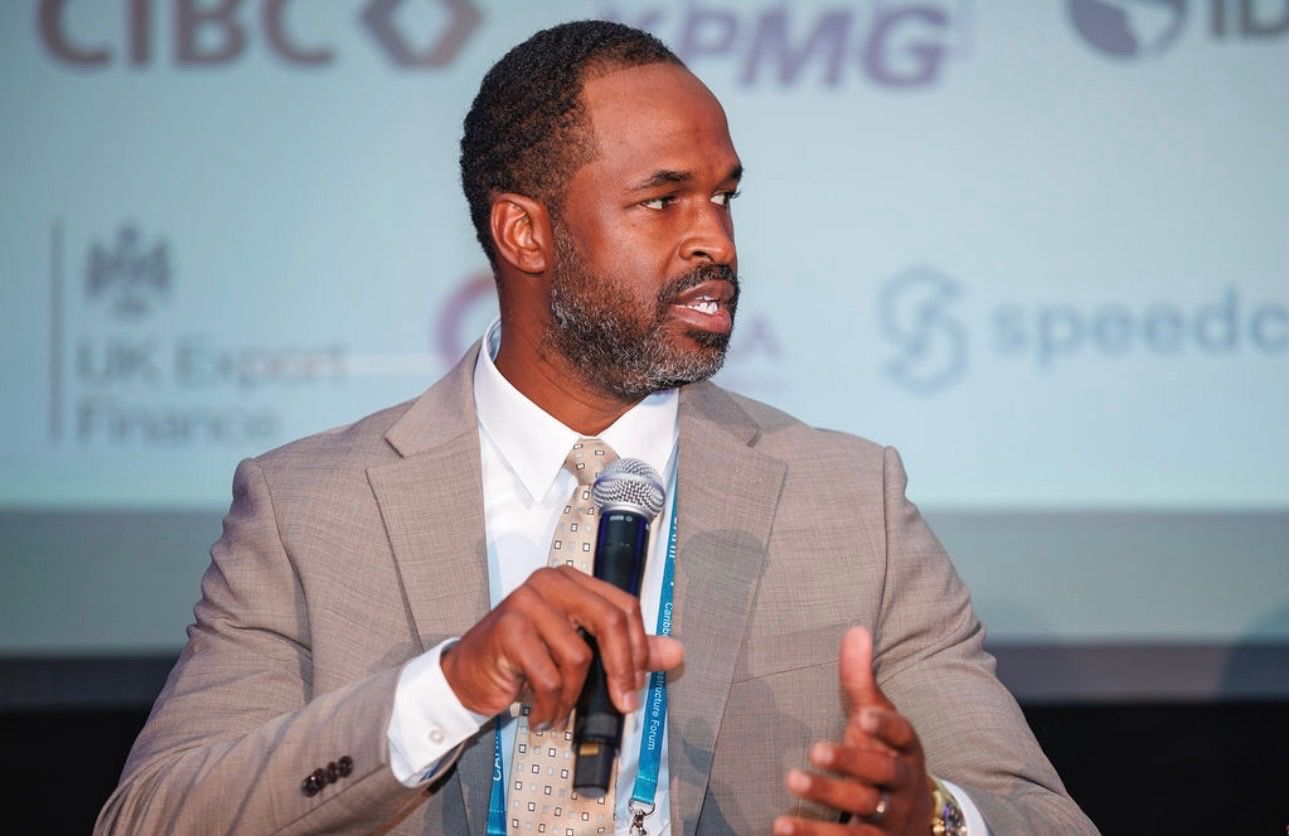
A photo of Anjuma Karkera Goswami

Karkera sucede a Ashok Goswami, director ejecutivo y cofundador de la empresa a largo plazo


ASHBURN, Va.— El experimentado líder y abogado Anjuma Goswami Karkera aceptó un nombramiento como director ejecutivo (CEO) del Instituto de Tecnología y Seguridad de la Construcción (IBTS), una organización sin fines de lucro basada en servicios. Sucede al cofundador de IBTS, Ashok Goswami, quien se ha desempeñado como director ejecutivo desde 2002. Durante ese tiempo, Goswami supervisó el crecimiento de IBTS desde una sola oficina a ocho ubicaciones en todo el país, ampliando significativamente las ofertas de la empresa para departamentos de construcción; programas de energía solar y renovable; y soluciones gubernamentales locales, estatales y federales.


"Es con una mezcla de gratitud y entusiasmo que la Junta Directiva anuncia la sucesión de nuestro director ejecutivo, Ashok Goswami", anunció la comisionada del condado de Ramsey (MN) y presidenta de la junta de IBTS, Victoria Reinhardt. "Como cofundador de IBTS, el liderazgo visionario de Ashok ha contribuido a numerosos hitos organizacionales, lo que ha dado como resultado una gestión sólida, solidez financiera y el posicionamiento de la organización sin fines de lucro para el crecimiento futuro".


Goswami continuará en calidad de asesor como presidente de IBTS para garantizar una transición efectiva a Karkera, quien busca continuar haciendo crecer el trabajo de la organización fortaleciendo a las comunidades haciéndolas más seguras, resilientes y prósperas.


Como líder influyente, la carrera de Karkera ha estado marcada por su capacidad para generar y evaluar rápidamente soluciones alternativas y alcanzables; su trayectoria comprobada fomentando la colaboración entre agencias; y su pasión por promover la diversidad y la inclusión en el lugar de trabajo. Tiene un doctorado en Derecho de la Facultad de Derecho de Washington de la American University y recientemente se desempeñó como Subjefa de Gabinete de la Agencia Nacional de Inteligencia Geoespacial.


"Es un honor para mí unirme al brillante y dedicado personal de esta organización sin fines de lucro única", dijo Karkera. “Creo fervientemente en el modelo de negocio IBTS, que combina la credibilidad del sector público con la innovación del sector privado. Espero continuar con el legado de IBTS de brindar experiencia y soluciones receptivas que ayuden a nuestros clientes a superar desafíos complejos y brindar mejores resultados para las comunidades de todo el mundo”.


"La Junta confía en que Anjuma preservará el impulso actual de IBTS alineando sus capacidades con la organización existente hacia una visión a largo plazo para IBTS", añadió Reinhardt.


Acerca de IBTS

IBTS es una organización nacional sin fines de lucro y asesor y socio confiable de los gobiernos locales, estatales y federales. IBTS proporciona experiencia en códigos de construcción; gestión de subvenciones federales; experiencia en planificación, mitigación y recuperación de desastres; soluciones de gobiernos locales; garantía de calidad solar; y servicios de resiliencia. El trabajo de IBTS está guiado por una Junta Directiva con representantes del Consejo de Gobiernos Estatales (CSG), la Asociación Internacional de Gestión de Ciudades/Condados (ICMA), la Asociación Nacional de Condados (NACo), la Asociación Nacional de Gobernadores (NGA), y la Liga Nacional de Ciudades (NLC).


 Contacto con los medios:


Karen Johnson

Director del Programa de Participación en el Mercado

Teléfono: 571.357.4820| Teléfono: 530.318.5428

kjohnson@ibts.org
January 29, 2026
Fajardo, Puerto Rico – January 27, 2026 ---With the goal of strengthening the local economic development ecosystem in Puerto Rico’s eastern region, the Institute for Building Technology and Safety (IBTS) hosted “Sembrando Oportunidades: Regional Economic Development Forum,” an initiative designed to identify strategic assets, promote cross-sector collaboration, and expand access to support tools for entrepreneurs, microbusinesses, and small and medium-sized enterprises (SMEs). The event, held at the Fajardo Multi-Purpose Center, was open to community organizations, nonprofits, government agencies, cooperatives, private-sector businesses, and the general public. Participants engaged in dialogue, networking, and collaborative action aimed at advancing a more inclusive and sustainable economic development model for eastern Puerto Rico. This initiative is part of a grant awarded to IBTS through the U.S. Department of Agriculture (USDA) Rural Development Program , which supports regional planning efforts, the strengthening of intersectoral support networks, and local economic development in rural communities. As part of its mission, IBTS works closely with communities and grassroots organizations to build skills that foster local entrepreneurship. The organization helps participants better understand the requirements of business projects and SMEs, including key tools such as strategic planning, business plan development, and networking. IBTS also supports municipalities in promoting ordinances and public policies that facilitate entrepreneurship and respond to local economic realities. In particular, IBTS has focused its efforts on the eastern region, impacting municipalities such as Ceiba, Naguabo, and Fajardo. “At IBTS, we believe sustainable economic development begins when people are connected to useful information, practical tools, and real support networks”, said Agnes Crespo, Esq., Executive Director of IBTS Puerto Rico . “Sembrando Oportunidades aims to be a turning point so more entrepreneurs and SMEs can grow with direction, structure, and access to concrete opportunities. This forum is an invitation to align capacities, join efforts, and build community-driven solutions that directly impact quality of life and economic resilience in our eastern region”, she added. Event agenda highlights included: · Presentation of key socioeconomic and business ecosystem data relevant to the region. · A participatory data validation exercise integrating collected data with local knowledge and lived experience. · A roundtable discussion with eastern-region businesses and entrepreneurs, highlighting challenges, lessons learned, opportunities, and best practices. · An open forum focused on collaborative strategies and actions for regional economic development. The event, is a collaborative effort with the Municipality of Fajardo to further strengthen regional economic development efforts to generate entrepreneurship-driven ideas, share findings from the survey conducted with local entrepreneurs, and propose practical solutions for business owners. In anticipation of a newly announced hotel development in the Fajardo area, the program also aims to train and strengthen a network of local suppliers by connecting eastern-region entrepreneurs and SMEs with opportunities to provide goods and services. This approach seeks to amplify the regional economic impact of growth and ensure broader participation in new economic opportunities. In addition to its experience managing federal disaster recovery funds and implementing renewable energy initiatives, IBTS has incorporated a renewed focus in its 2026 agenda on supporting communities and municipal governments to foster microenterprise and SME development as key drivers of regional economic growth. Participating organizations that provided guidance, resources, and presentations included: · Consorcio del Noreste · SBDTC Eastern Region · PECES · Vieques Air Link · Cooperativa Roosevelt Roads · Pathstone About IBTS: With a mission to strengthen communities, IBTS serves as a trusted advisor and partner to local, state, and federal governments in advancing economic development. Its services ensure the effective planning, implementation, and evaluation of renewable energy projects and federally funded energy and sustainability programs—optimizing performance, reducing risk, and promoting the efficient use of public funds. Beyond its expertise in solar quality assurance, IBTS’s Puerto Rico office provides services in federal fund management; disaster planning, mitigation, and recovery; municipal planning; and resilience strategies. As a nonprofit organization, IBTS is guided by a Board of Directors with representatives from the Council of State Governments (CSG) , International City/County Management Association (ICMA) , National Association of Counties (NACo) , National Governors Association (NGA) , and the National League of Cities (NLC) . For more information, visit www.ibts.org .
Exterior of the Caesars Superdome in New Orleans, Louisiana.
July 23, 2025
IBTS helps jurisdictions deliver safe, compliant stadiums on time and on budget with expert plan review, inspections, and code compliance services.
July 22, 2025
Flood risk and insurance costs are growing concerns for many municipalities — but with the right strategies, local governments can make measurable progress in protecting lives, property, and budgets. The City of Central, Louisiana, offers a strong example of how targeted actions can reduce flood risk and deliver financial benefits to residents. Through a sustained partnership with the Institute for Building Technology and Safety (IBTS), Central achieved a Class 5 rating in FEMA’s Community Rating System (CRS), resulting in a 25% discount on flood insurance premiums for all Central residents and businesses. Only two other communities in Louisiana have achieved this rating. In this blog post, Brandon Whitehead, IBTS Floodplain Manager, outlines key actions that contributed to Central’s success, including his top five recommendations for how municipalities can strengthen their own floodplain management programs and improve their CRS ratings. Background: IBTS and City of Central Partnership For more than a decade, IBTS has supported Central’s municipal operations through a nonprofit private partnership (NP3) model, using an integrated and cost-effective team to deliver complete municipal services (excluding police and fire). This long-standing relationship has provided Central with specialized expertise in planning, permitting, ordinance development, and floodplain management , while maintaining consistency across compliance and emergency preparedness efforts. Following significant damage during historic 2016 flooding, Central and IBTS have taken numerous steps to reduce vulnerability, strengthen local policy, and build long-term resilience to flood risks — all of which led to an improved CRS score. The CRS is a voluntary incentive program administered by FEMA that rewards communities for implementing floodplain management practices that exceed minimum National Flood Insurance Program (NFIP) requirements. The program offers progressively greater flood insurance discounts as communities achieve better classifications, ranging from Class 9 to Class 1. As Brandon explains, “Our most recent improvement from a Class 7 to a Class 5 rating means we’re not only helping property owners save money on premiums, but also actively reducing flood risk across our community. While every community’s path will look different, there are several practical, proven steps that most municipalities can take to strengthen their CRS ratings.” Here are Brandon’s top five strategies municipalities can use to follow Central’s lead and reduce flood risk: 1. Appoint a Qualified Floodplain Manager CRS success starts with strong leadership. Central designated a floodplain coordinator with technical expertise and deep knowledge of FEMA regulations, ordinances, and compliance. Rather than tasking administrative staff with this complex role, cities like Central have brought in specialists — in this case, through IBTS — to guide CRS strategy and implementation. 2. Strengthen Local Ordinances for New Development Central updated its development codes to protect existing properties from increased runoff and flood risk. These updates include: Enhanced drainage requirements for new construction Mandatory assessments to ensure no off-site impact (upstream or downstream) Stricter elevation rules for buildings in flood-prone areas Reduced substantial damage threshold from 50% to 45% of pre-disaster market value, triggering elevation requirements for more structures These changes not only supported CRS goals but also reflected Central Mayor Wade Evans’ push for smarter development and public safety. 3. Use GIS and Modeling Tools to Map Risk With support from engineering partner CSRS, Central developed a hydraulic model to monitor drainage systems and identify high-risk areas. With these tools integrated into the City’s GIS, development applications could be evaluated for impact — enabling more informed planning decisions and protecting legacy neighborhoods. Real-time flood gauges are now being piloted to provide early warnings and improve emergency response. 4. Establish Long-Term Hazard Mitigation Plans Central worked with East Baton Rouge Parish to develop a multi-jurisdictional hazard mitigation plan , laying the foundation for infrastructure upgrades, grant funding, and coordinated response. The CRS program awards points for these collaborative efforts, which also contribute to resilience. 5. Limit Use of Enclosures Below Elevated Structures To reduce post-disaster damage and future NFIP claims, Central implemented new limits on enclosed areas under elevated homes (typically used for parking or storage). Homeowners are required to: Keep these enclosures non-residential Sign compliance agreements Undergo annual inspections This practical policy earned CRS credit and helped preserve the intent of elevation requirements. Where to Start Communities don’t need to go at it alone. IBTS partners with municipalities to provide floodplain management services, ordinance development, planning support, and CRS strategy. Whether you’re starting with a Class 9 rating or aiming for Class 1, a structured approach can produce real, measurable benefits for your community. Interested in improving your CRS rating? Contact IBTS to learn how we can support your community’s flood resilience goals.