IBTS Releases Report on Equitable Climate Resilience for Local Governments

December 1, 2022

Share this article:

A large glass building with trees in front of it.

Report provides findings from two-year study funded by the Kresge Foundation on how cities can better address social inequities in their climate resilience planning.


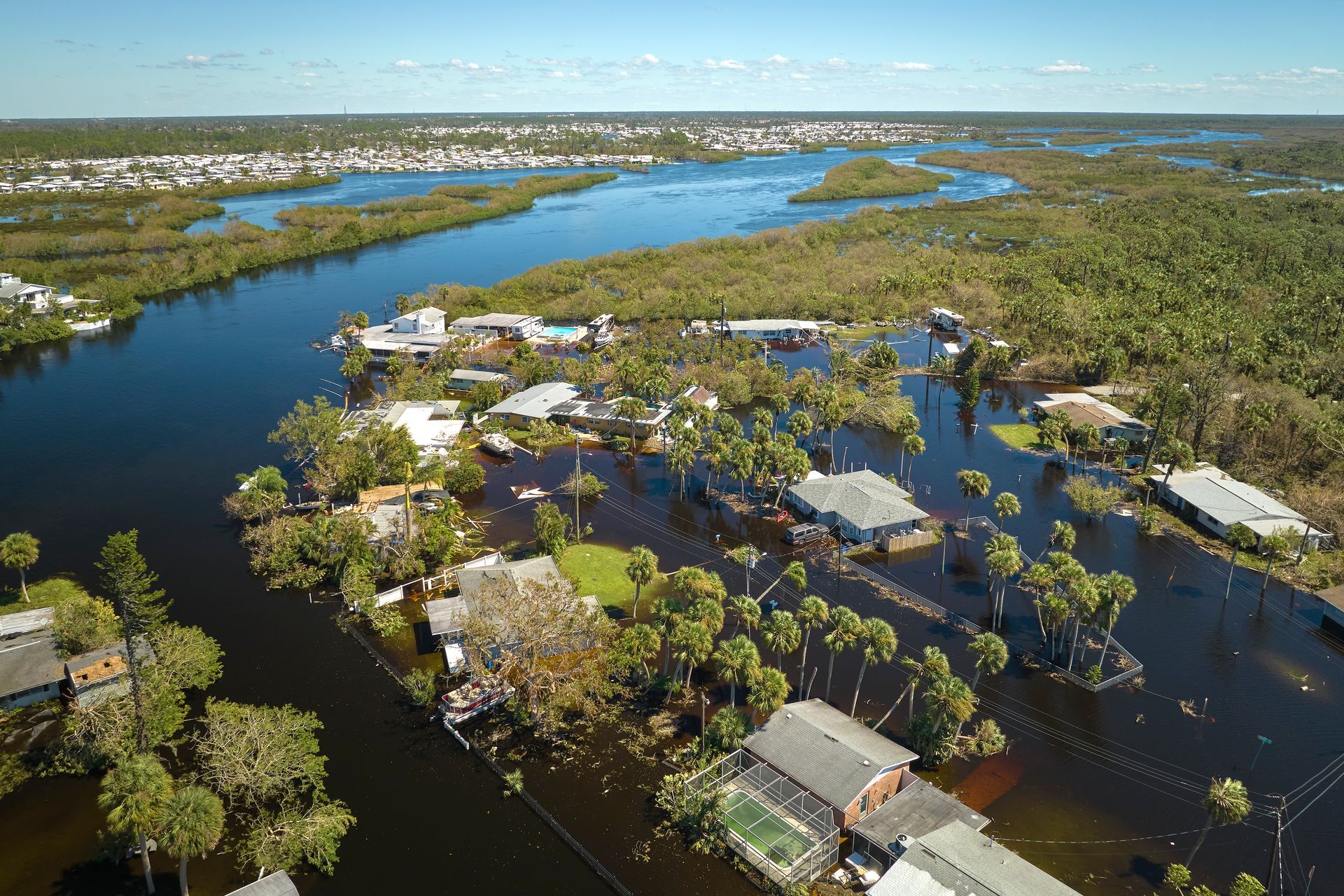
Ashburn, Va. – The Institute for Building Technology and Safety (IBTS), a nonprofit organization focused on strengthening communities, has released “Equitable Climate Resilience for Local Governments,” a white paper outlining the results of a two-year study on the intersection of social inequities and climate resilience in U.S. cities. 


The study, funded by The Kresge Foundation and conducted in partnership with the National League of Cities (NLC) and the National Forum for Black Public Administrators (NFBPA), sought to better understand and assist U.S. local governments with unmet needs and barriers to addressing social equity in their climate resilience efforts. The study builds on existing research showing that vulnerable populations (those with less or no access to various rights, opportunities, and resources compared with other groups) are much more likely to have poor health and economic outcomes from climate-related disasters, with the understanding that local governments are uniquely positioned to help improve these outcomes during future events. 


The first phase of the study included a nationwide survey of 200 city officials and staff that investigated their perceptions, actions, challenges, unmet needs, and successes with addressing equitable climate resilience (ECR) in their cities. In the second phase, the research team used results from the survey to develop a resource to assist local governments with understanding, assessing, and prioritizing ECR efforts. The third phase focused on piloting the resource in three U.S. cities to test and refine its approach. A 22-member advisory panel of social, climate, and local government subject matter experts provided feedback during each phase of the study. 


The white paper, which is available to download at no cost here, features findings from the study as well as recommendations that local governments can use help improve ECR efforts in their communities. Highlights include: 


  • 81% of survey respondents agreed that addressing ECR should be a priority for their cities, yet only 48% stated that it currently is a priority. Likewise, only 25% reported having some success with addressing ECR, and none reported significant success. 
  • The most common barriers to addressing ECR include lack of funding; lack of technical resources, tools, and data; and lack of subject matter expertise and guidance. 
  • 75% of respondents agreed that an assessment and planning tool that focuses on equitable climate resilience would be useful for their cities. 
  • With these findings, the research team developed an assessment resource to help meet this need. The resource, named the Community Resilience Assessment Framework and Tools for Equitable Climate Resilience (CRAFT-ECR), identified data utilization, funding and finance, communications, stakeholder engagement, and organizational capacity as critical assessment categories to help local governments understand, develop, and prioritize actions for improving ECR. 
  • Recommendations for local governments detailed in the white paper include how to obtain and leverage data to determine ECR needs, create an organizational infrastructure to address ECR, address barriers to community participation, ensure stakeholder inclusion, combine existing equity and climate efforts, and more. 


“The study demonstrates that cities recognize the severity of climate impacts on vulnerable populations and the importance of improving equitable outcomes, but struggle with how to break through barriers, prioritize existing resources, and make meaningful progress,” said Karen Johnson, IBTS’ Market Engagement Program Director, who led the Equitable Climate Resilience study’s research team. “What makes this study unique is that we were able to leverage what we learned about ECR in cities to develop an approach they can use to help address it,” she added. 


“We are very excited to share the results of this important two-year study,” said Patrick Howell, IBTS’ Community Resilience Lead and the study’s project manager. “We believe local governments across the country will find the insights provided in the white paper useful and hope that it will help spark new conversations and activity around how to improve equitable climate resilience in their communities. We are grateful to the Kresge Foundation, NLC, NFBPA, our Advisory Panel, and all participating cities for making this study possible.” 


To learn more, visit www.ibts.org/ecr. 


*** 


IBTS is a national nonprofit organization and trusted advisor and partner to local, state, and federal governments. Our nonprofit mission to serve and strengthen communities is advanced through our services. These include building code services and regulatory expertise; compliance and monitoring; community planning; disaster planning, mitigation, and recovery expertise; energy solutions; municipal services; grants management; market research; program management and oversight; resilience services; solar quality management; and workforce development and training. IBTS’ work is guided by a Board of Directors with representatives from the Council of State Governments (CSG), the International City/County Management Association (ICMA), the National Association of Counties (NACo), the National Governor’s Association, and the National League of Cities (NLC). 


Media Contact:
Karen M. Johnson
Market Engagement Program Director
O: 571.357.4820 | C: 530.318.5428
kjohnson@ibts.org 
September 28, 2026
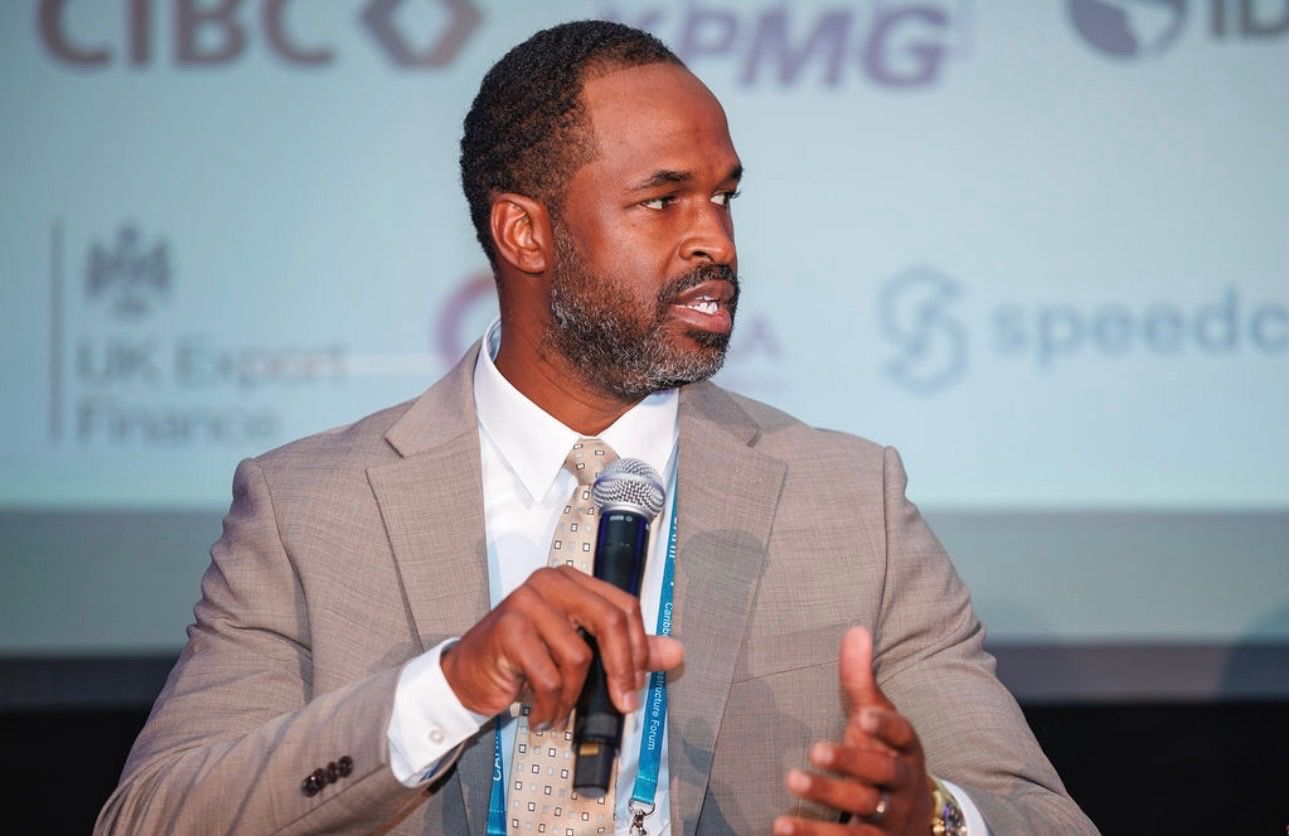
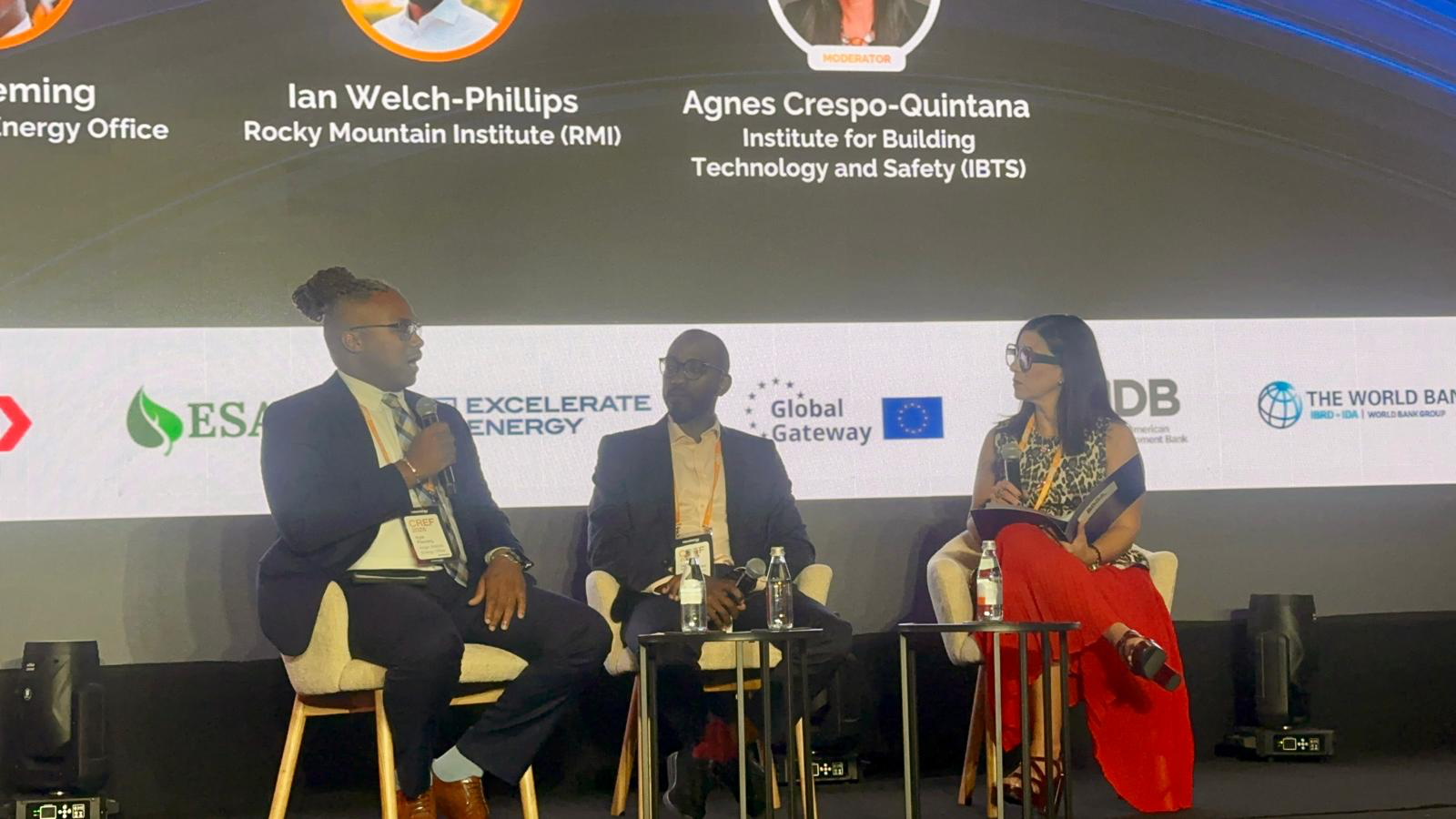
MIAMI, FL— What does it take to deliver resilient housing at scale in the Caribbean? That question was at the center of a panel featuring James Turner, IBTS Director of Federal Programs, during the 10th Caribbean Infrastructure Forum (CARIF) in Miami. The event brought together government officials, developers, investors, infrastructure leaders, utilities, development finance organizations, and public-sector decision makers from more than 30 Caribbean nations and territories to discuss the region's infrastructure priorities and investment needs. James was featured on stage for the "Delivering Affordable and Resilient Housing in the Caribbean" panel discussion, alongside Bermuda housing leader Jeane Nikolai and Caribbean business executive André C. Walcott. The discussion focused on a challenge shared across the region: how to provide safe, affordable housing while strengthening communities against hurricanes, flooding, and other natural hazards. Drawing on IBTS' 5-decade-long experience supporting the US Department of Housing (HUD), as well as our experience in FEMA-funded housing and recovery programs, James emphasized that resilient housing is about much more than construction. Successful programs depend on strong building codes, qualified workers, reliable materials, effective quality assurance, and the systems needed to move projects from funding to implementation. Fellow panelists also shared their interesting perspectives based on their experiences. Jeane Nikolai stressed that homes must be built to withstand the region's climate conditions and backed by dependable warranty terms, noting that a lack of such options can narrow the housing choices available. Resilient construction, she emphasized, is essential to protecting both the homes themselves and the people who live in them. André C. Walcott underscored the importance of consistent building standards to ensure quality construction, along with the need for qualified, well-trained personnel and approved building materials, all of which contribute to safer, better-performing homes. The discussion and audience questions made one point clear: housing shortages are a shared challenge across countries, but the obstacles to meeting housing goals vary from place to place. Funding is a significant concern, but it is not the only driving factor in every case. The conversation reinforced why organizations such as IBTS are needed. Across the Caribbean, governments are investing in housing, infrastructure, and resilience, but many face common implementation challenges, including regulatory requirements, workforce shortages, compliance oversight, and program delivery. IBTS helps bridge those gaps via program management, building code compliance, quality assurance, inspections, resilience planning, and related technical services. Beyond the panel discussion, CARIF provided an opportunity for IBTS to engage directly with government representatives, infrastructure agencies, development institutions, utilities, developers, and private-sector partners working throughout the Caribbean. These conversations highlighted a growing focus on turning funding and policy commitments into real-world projects that strengthen communities and improve long-term resilience. Reflecting on the experience, James noted: "I was honored to participate in discussions with a group of solution-oriented leaders and professionals addressing the critical needs of the Caribbean. I look forward to continuing these important conversations and turning the concepts into actionable implementations." For IBTS, the message from CARIF was clear: resilient housing requires collaboration, practical implementation, and a commitment to quality at every stage. As Caribbean nations continue investing in their future, IBTS remains committed to helping communities transform plans, funding, and policy goals into lasting results. About James Turner: Mr. Turner provides nearly 20 years of professional experience, which includes significant knowledge and experience with manufactured housing standards and regulations. His experience includes technical and regulatory projects, design evaluations, performance assessment, conformity assessment, and technical regulatory research and analysis. About IBTS: With a mission to strengthen communities, IBTS serves as a trusted advisor and partner to local, state, and federal governments in advancing economic development. Its services ensure the effective planning, implementation, and evaluation of renewable energy projects and federally funded energy and sustainability programs—optimizing performance, reducing risk, and promoting the efficient use of public funds. Beyond its expertise in solar quality assurance, IBTS’s Puerto Rico office provides services in federal fund management; disaster planning, mitigation, and recovery; municipal planning; and resilience strategies. As a nonprofit organization, IBTS is guided by a Board of Directors with representatives from the Council of State Governments (CSG) , International City/County Management Association (ICMA) , National Association of Counties (NACo) , National Governors Association (NGA) , and the National League of Cities (NLC) . For more information, visit www.ibts.org .
September 18, 2026
IBTS supports regional collaboration on affordable resilient and code complaint housing
July 21, 2026
The Institute for Building Technology and Safety has completed energy-efficiency, health and safety improvements in 103 Puerto Rico homes through a federally financed weatherization program, exceeding its goal of 100 households in about six weeks. The nonprofit organization, known as IBTS, managed operations and coordinated the latest phase of the U.S. Department of Energy’s Weatherization Assistance Program in collaboration with the Puerto Rico Department of Economic Development and Commerce’s Energy Public Policy Program. Weatherization programs are intended to reduce household energy costs by making homes more efficient while addressing conditions that can affect residents’ health and safety. The Puerto Rico initiative prioritized low-income families, older adults and people with disabilities, according to IBTS. The organization did not specify the individual improvements made in each home but said the work was intended to increase comfort, improve living conditions and strengthen resilience. IBTS handled project management, inspections, quality assurance, regulatory compliance, document control and staff training, the organization said. The project also reported a 98% satisfaction rate among participants. “This program demonstrates what is possible when federal resources are translated into practical, measurable improvements for families and communities,” said Agnes Crespo-Quintana, IBTS’s Caribbean regional director. Alvin Miranda-Colón, manager of the Weatherization Assistance Program, said the initiative was intended to make energy more affordable while supporting sustainability and community resilience. IBTS said the project required coordination among government officials, contractors, auditors, inspectors, technology providers and participating communities. The organization said that work also developed procedures, trained personnel and expanded institutional capacity that could be used in future federally financed energy, housing and infrastructure programs. Judelly Hernández-Morales, the IBTS project manager, said cooperation between the public and private sectors helped translate federal funding into improvements for participating households.